Experience the landscape and nature in Nordals Nature Park
Nature and antiquity
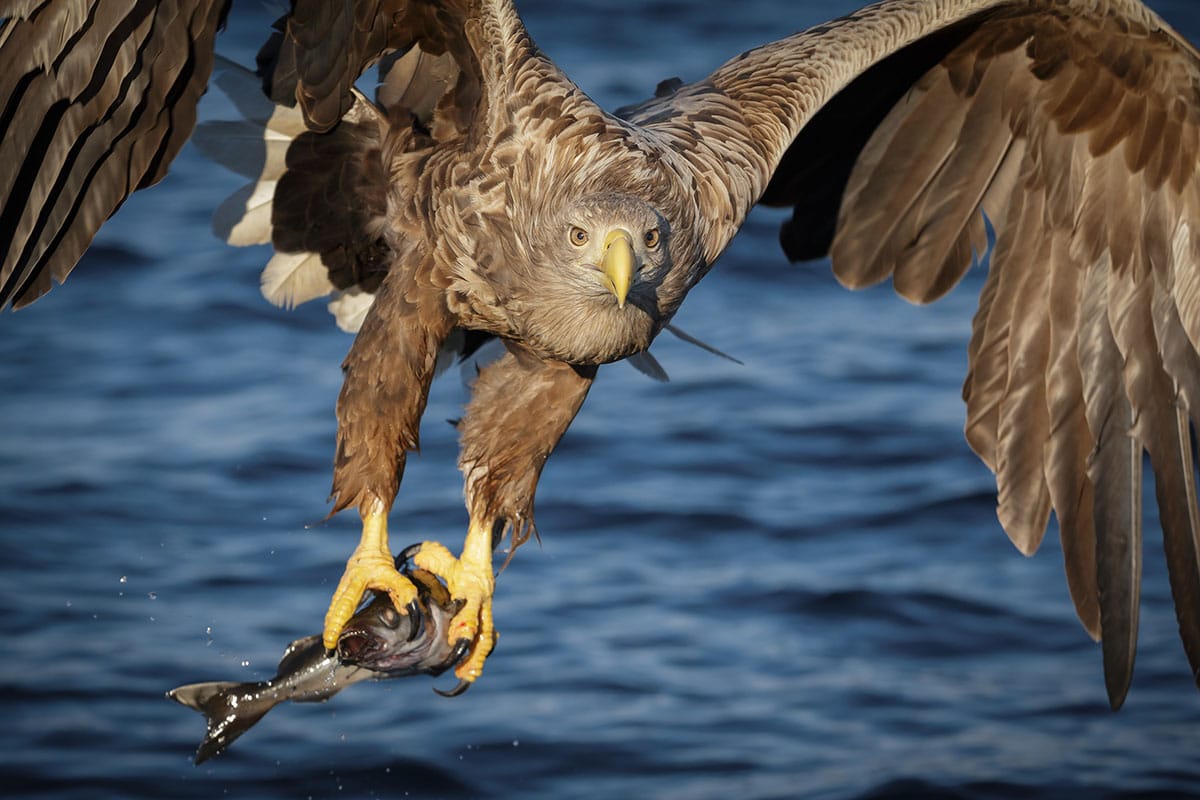
Nordals Nature Park's beautiful lake and fjord landscape was shaped by the last ice age and has clear traces of the movements of the glaciers 18.000 years ago. When the ice melted, the fjords, valleys and hilly landscape at Dyvig, Mjels and Nordborg emerged.
The Ice Age landscape can be experienced in many places in the nature park. For example, the tunnel valleys at Nordborg Lake and Gammeldam, the hills at Mjels and the fjord landscape from Stegs vig to Bundsø.
The birds in the Nature Park
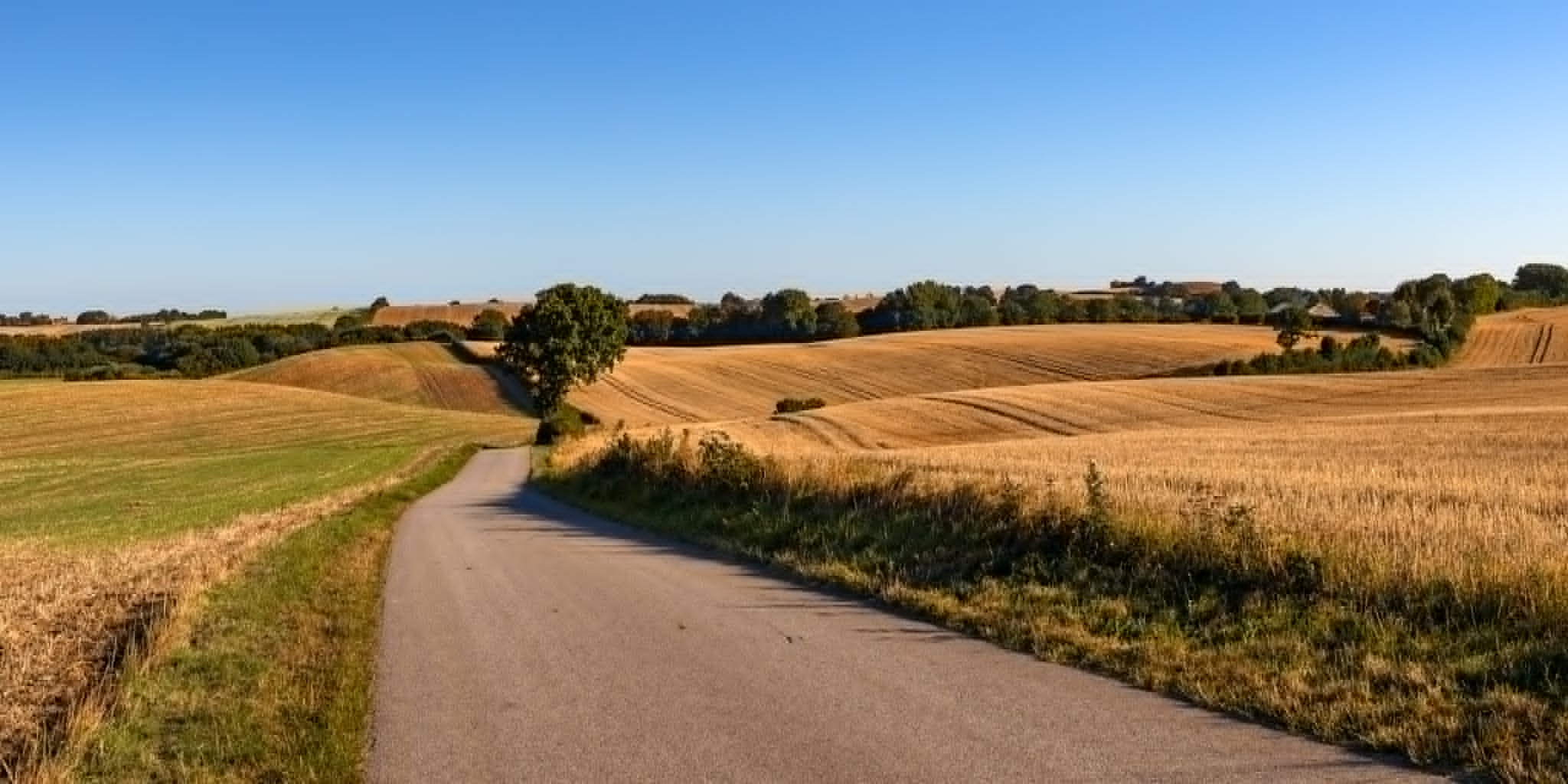
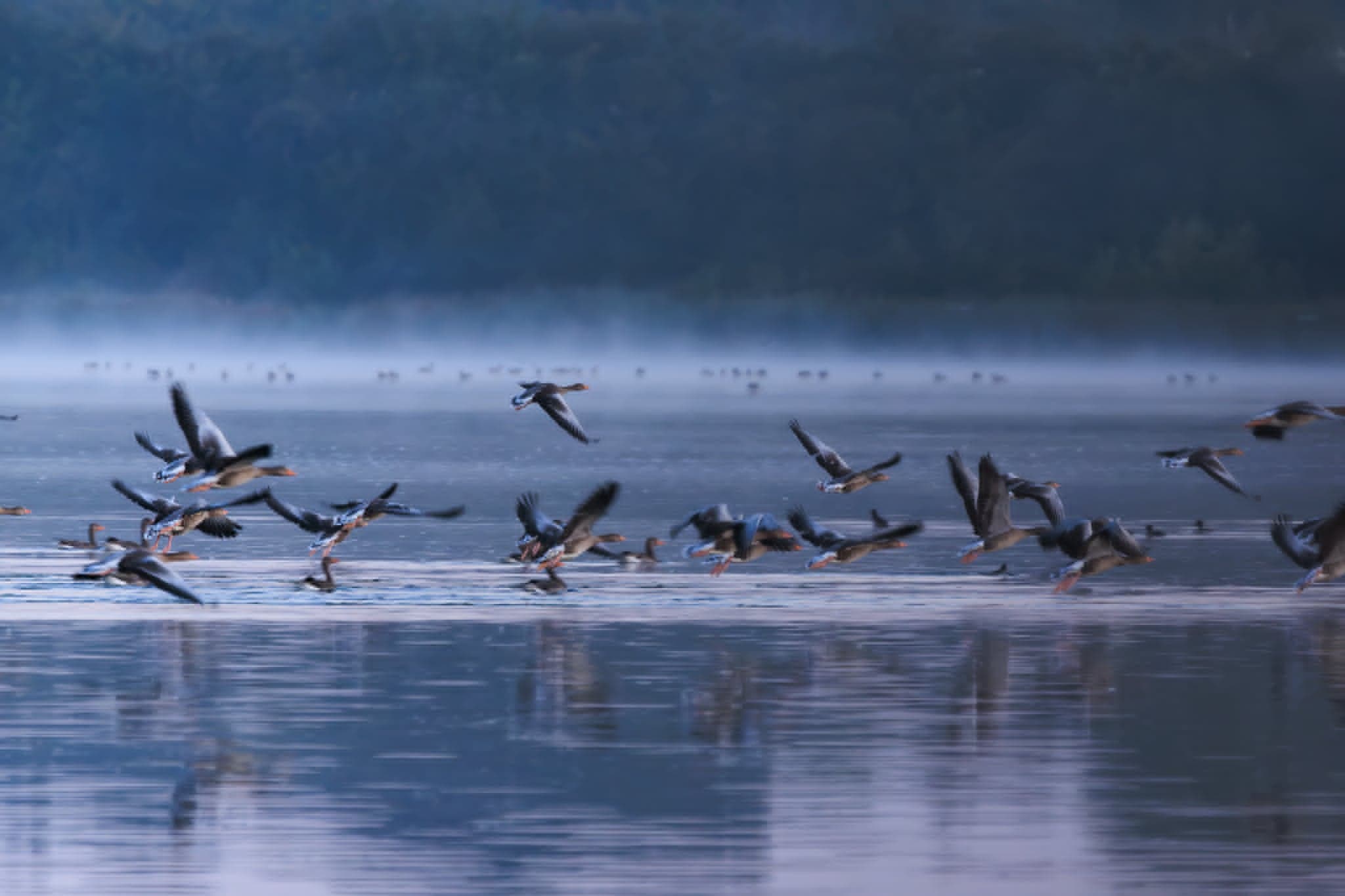
The kingfisher breeds at Lake Mjels, the white-tailed eagle flies over the lakes daily, and the cormorant has established a colony in the trees at Lake Bundsø.
In several places, herons and grebes can be seen. Other breeding birds include great terns, fjord terns, shorebirds, mute swans, meadow pipits, wagtails, yellow wagtails and tinder.
Along the salty and light-open coasts lie the salt marshes, Farresdam and Lønsømade. They are habitats for coastal birds and shore toads in particular. When the previously dammed fjord areas were freed from salt influence, meadows emerged in several places in the Nature Park, for example on the northern side of Bundsø. The meadows are important habitats for ground-nesting birds such as meadow pipits, yellow wagtails, larks and woodpeckers.
The landscapes and nature
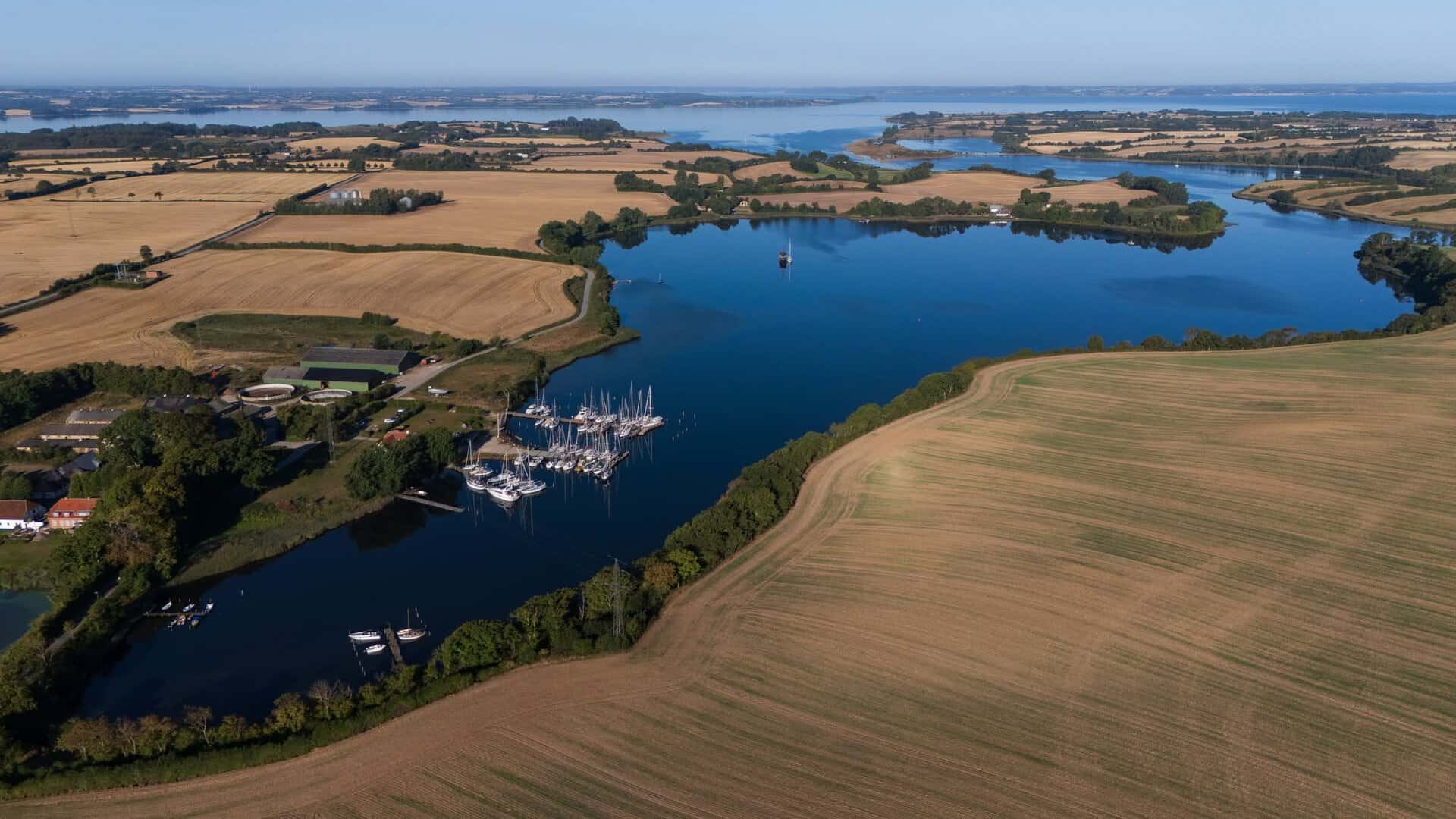
With the restoration of Oldenor, Mjels Sø and Bundsø, the fjord landscape appears as it did at the end of the 1500th century. At that time, the innermost areas of the fjords were cut off from the sea and dammed to become freshwater lakes. The lakes were drained in the 1800th century for agricultural purposes, but are now restored as lakes.
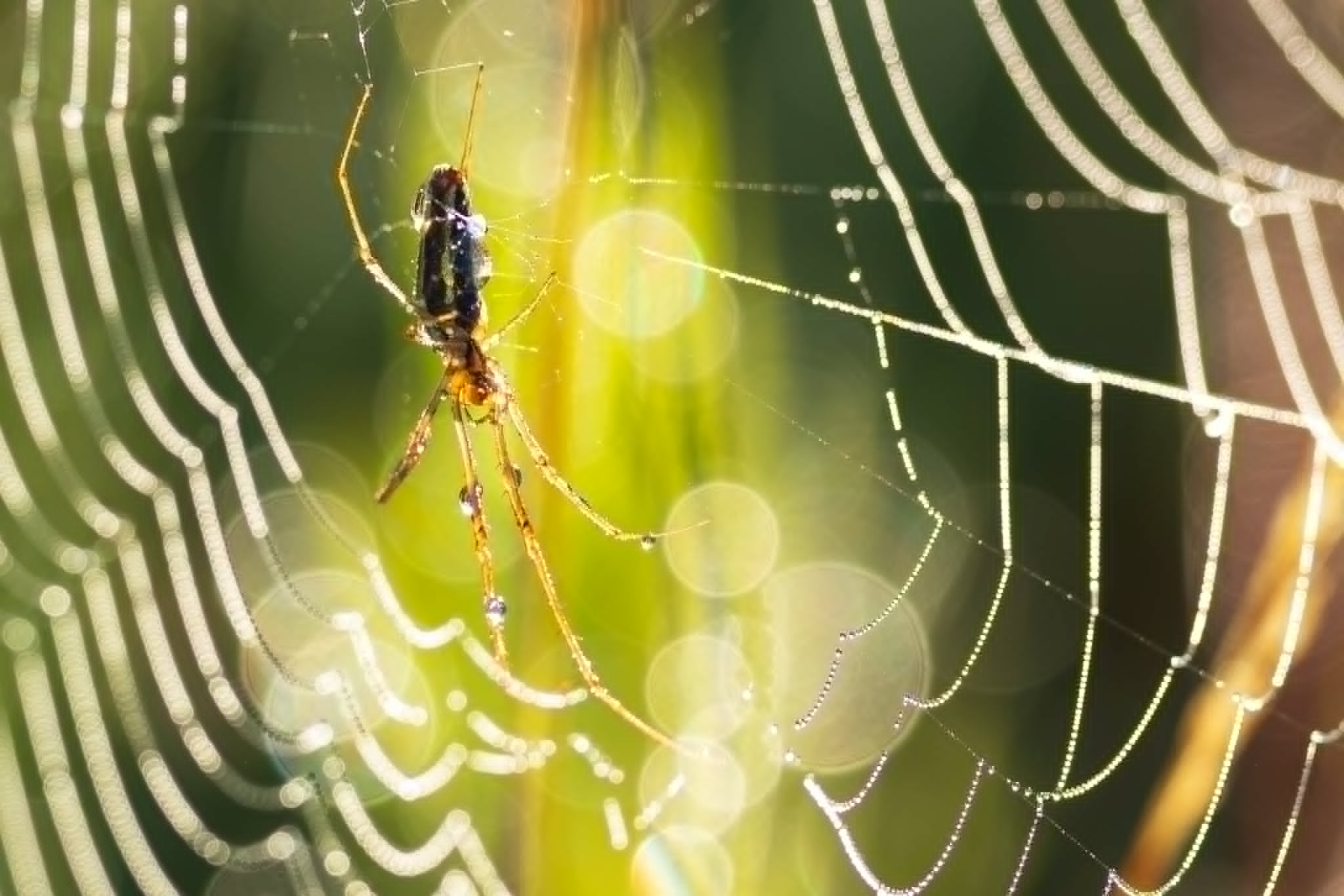
The landscapes in Nordals Nature Park vary greatly: There are lakes, coastal nature, meadows, bogs and forests. The good habitats for many different plants, insects, amphibians and birds. The bogs are important breeding grounds for waterfowl. Oksbøl forest has many original bogs and new waterholes. The many wetlands are a paradise for tree frogs in particular.
The nature park is a habitat for the snake, the steel worm, as well as the field and forest lizard and eight different amphibians, such as the tree frog, the short-nosed frog, the great newt, the pointed-nosed frog and the onion frog.
In recent years, many species of bats have been registered in the Nature Park. The release of predatory fish fry has improved the fish populations of pike, roach and perch in the lakes.
The nature park contains most of the common Danish wild plants. For example, the egg-leaved lobed lip, the hollow-rooted larch spore and the wild rose. A number of plants are rarer and on the Danish red list, for example the orchid Maycuckoo herb.
The forests
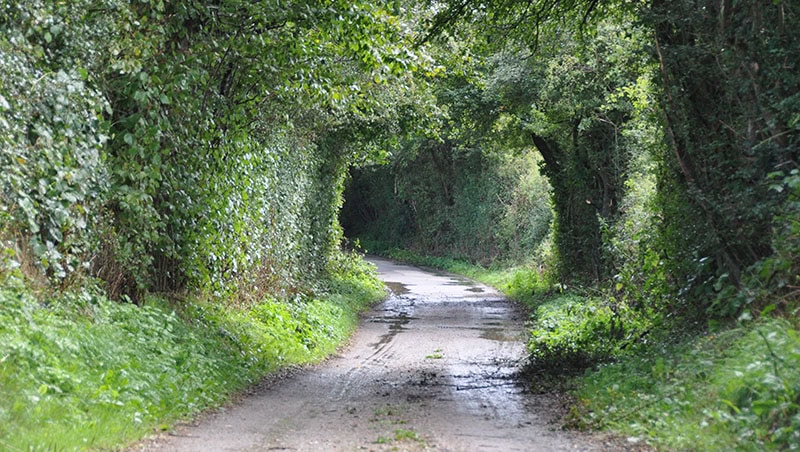
Brandsbøl Forest and Oksbøl Forest contain a large variety of tree species and wildlife. Particularly forest areas and scrub on slopes and dikes have high natural value and are habitats for many plants, insects and birds.
In large parts of the nature park, the characteristic hedgerows serve as green corridors and habitats for the local fauna.
Ancient monuments in Brandsbøl forest
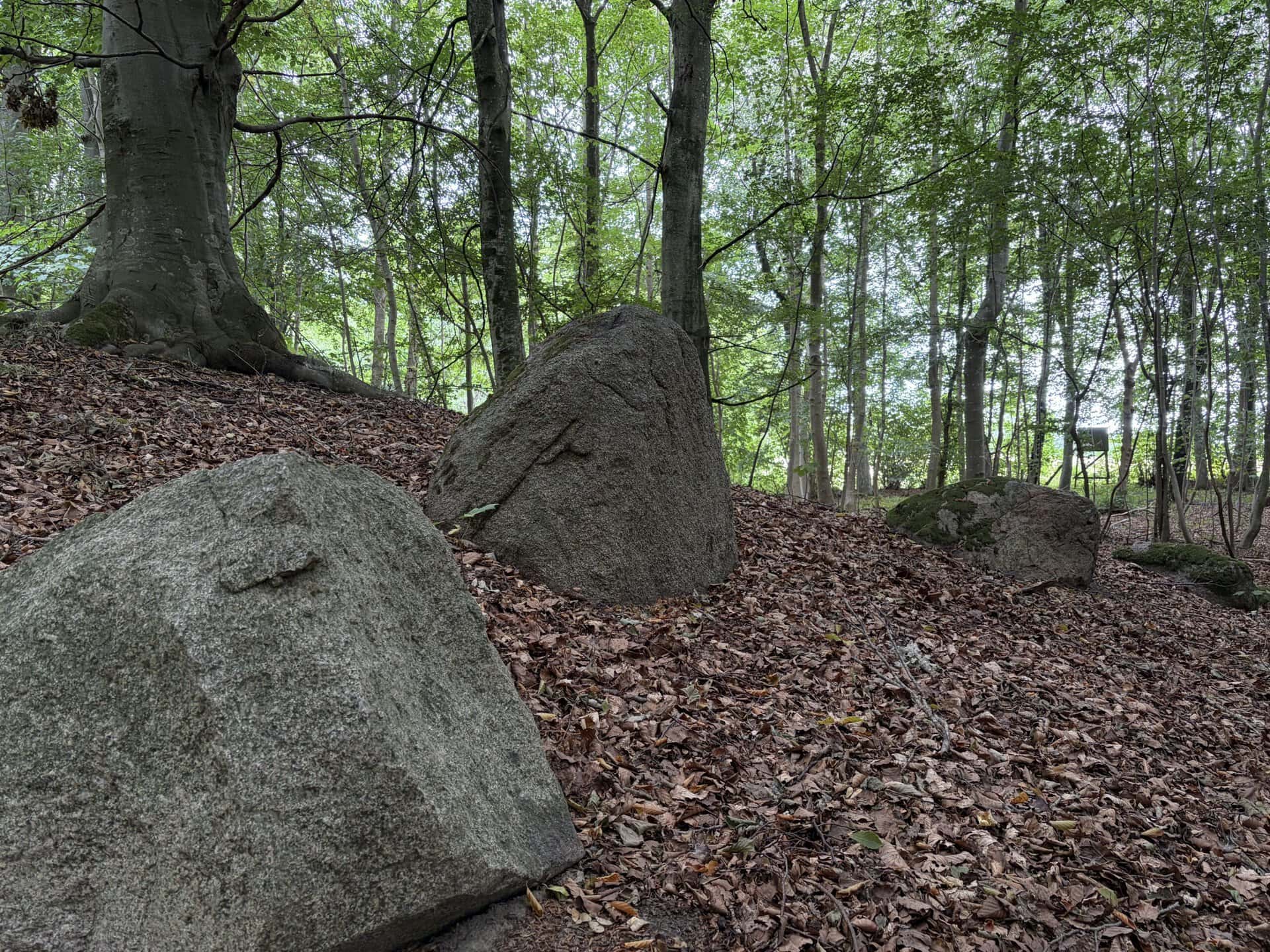
In Brandsbøl forest are the most significant ancient monuments of Nordals Nature Park. The forest contains an unusual collection of protected burial sites, including seven long dolmens from the early Neolithic period. The dolmens were built about 5000 years ago.
Follow the Bundsøstien (Lower Sea Trail) through the unique ancient area.
Human traces
Humans have left their mark on the landscapes of Nordals Nature Park. Dunes and mounds from ancient times, buildings and winding roads from the Middle Ages, and dams from the ducal period tell the story of human progress through the ages.
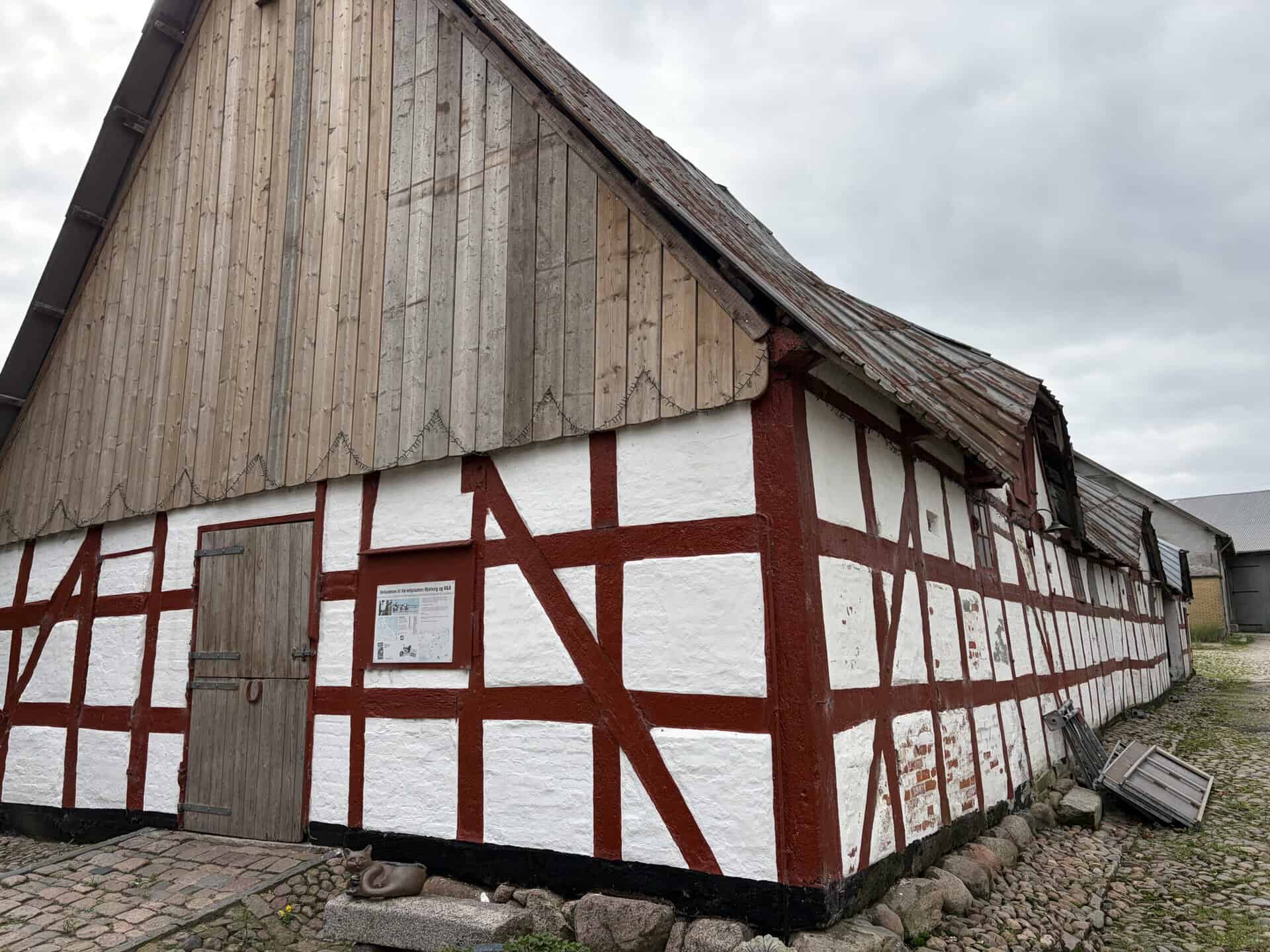
The half-timbered farmhouses of Alsace bear witness to the agricultural communities of earlier times, while the homes and buildings in Nordborg and Havnbjerg are characterized by industrial development and Danfoss' influence in modern times.
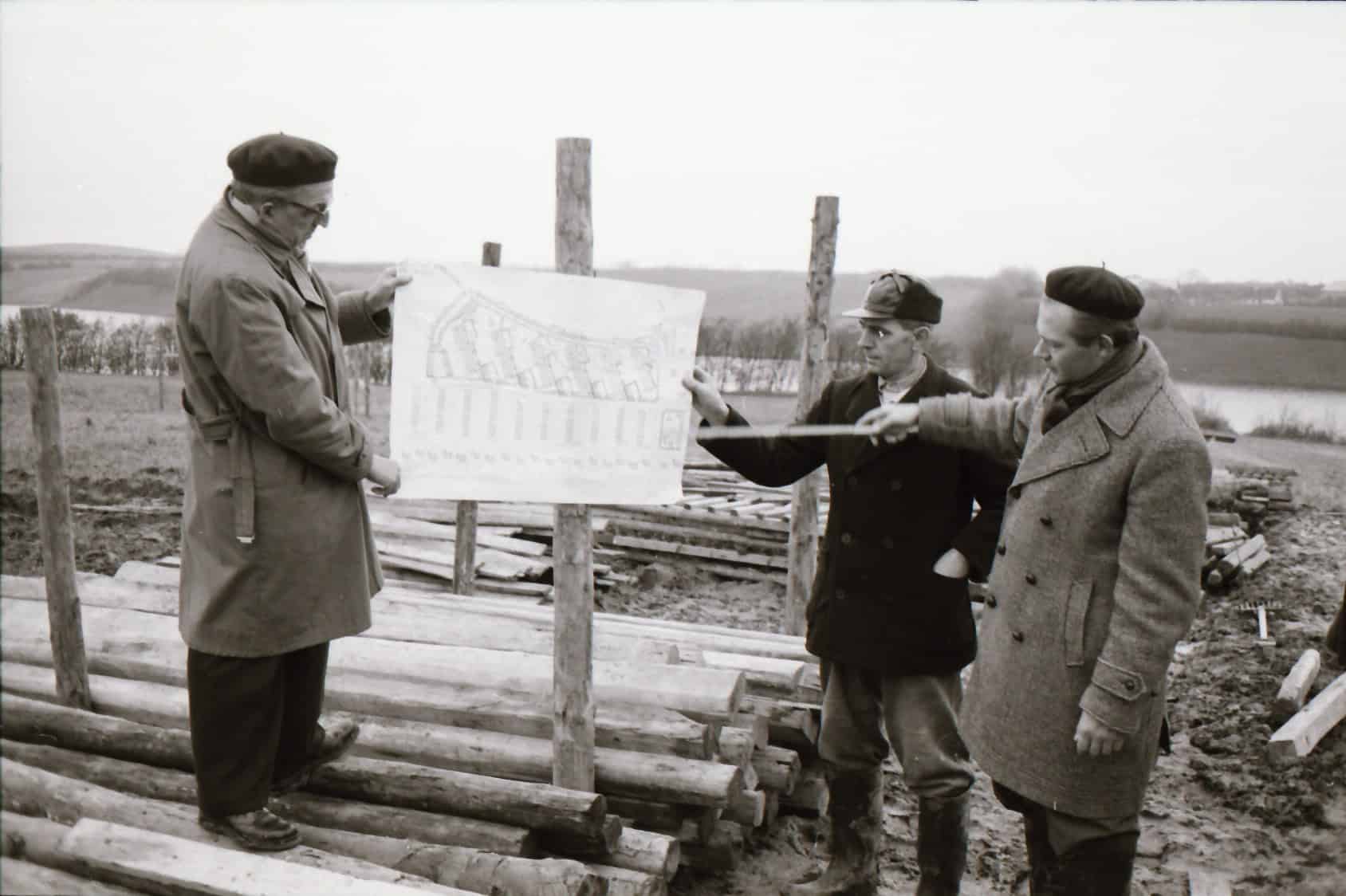
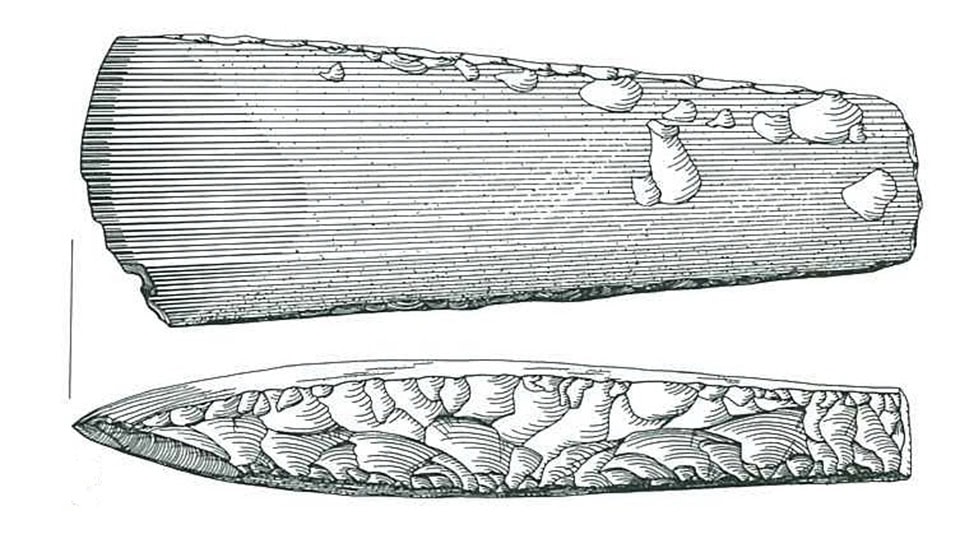
The bottom lake culture
The first people in the area were reindeer hunters who lived 12.000 years ago. The earliest traces of humans are from the latter part of the Neolithic period, around 6000-7000 years ago, when sea levels were roughly the same as today. People hunted red deer, roe deer and wild boar in the forested landscape by the fjord.
One of these settlements was located along the coastal cliff at the Hesnæs peninsula between Dyvig and Mjels Vig. The discovery of a kitchen midden at Bundsø testifies that people lived here until the end of the Peatland period, about 5-6000 years ago. Several settlements were also located along the southern coastal slope of Oldenor in ancient times.